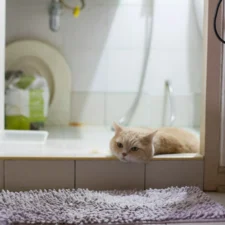


Cats have a reputation for being independent, but even the most self-sufficient feline needs help when it comes to grooming. At Aspen Commons Animal Hospital, your Southeast Denver, CO animal clinic, we often remind families that grooming is not just about appearance. It is a vital part of maintaining health and comfort. With the right cat grooming tips and regular visits to a trusted vet clinic, you can help your feline friend stay healthy, happy, and stress-free.
Grooming helps prevent issues like mats, hairballs, and skin infections, while also giving owners the opportunity to check for problems such as parasites or unusual lumps. Our animal hospital team works with cats of all breeds and coat types and provides individualized recommendations to make grooming a safe and enjoyable routine for both cats and their owners.
Why Cat Grooming Matters
Cats may spend nearly half of their waking hours grooming themselves, but this is not enough to address every need. Even meticulous self-groomers cannot remove mats, trim their nails, or handle dental care. Grooming is important because it reduces the risk of health issues, keeps coats shiny, supports circulation through brushing, and strengthens the bond between you and your feline pal. Many conditions can be prevented with consistent at-home care and routine wellness visits.
Coat Care for Cats
Coat care varies depending on whether your feline friend has long or short hair. Short-haired cats generally need brushing once a week, but long-haired breeds such as Persians or Maine Coons require daily attention to prevent mats and tangles. Mats can pull painfully at the skin and even cause sores if neglected.
We recommend starting slowly, with gentle brushing, and rewarding your cat afterward to build positive associations. Trouble spots to focus on include the belly, armpits, and behind the ears.
When brushing, use tools appropriate for your cat’s coat type. Rubber brushes work well for short-haired cats, while slicker brushes or wide-toothed combs are best for long coats. Always brush in the direction of the fur, and never tug at mats. If mats form, bring your cat to our veterinary clinic for safe removal. WebMD has some helpful information about brushing Fluffy here.
Bathing Cats
Most cats rarely need baths, but situations arise where bathing becomes necessary, such as when your feline pal gets into grease, sap, or something potentially toxic. If and when a bath is required, keep the experience stress-free for your feline pal.
Use lukewarm water, cat-safe shampoo, and keep sessions brief. Afterward, towel-dry your pet to get the water out of her fur. Many cats dislike loud noises, so avoid blow dryers unless your kitty is unusually tolerant. If bathing is too stressful, professional grooming services at a vet clinic are often the safest option.
Click here to read more about giving your cat a bath at the Purina site.
Nail Care
Regular nail trimming is often overlooked, but is sometimes needed to prevent painful overgrowth. Long nails can curl into paw pads, leading to infection. They can also cause damage to furniture or accidental scratches.
We can demonstrate safe trimming techniques during wellness visits. Use cat-specific nail clippers, and trim just the tip to avoid cutting the sensitive quick. Start with one or two nails at a time if your cat is nervous, and gradually increase.
Dental Health
Dental care is another important part of grooming and overall wellness. Many owners are surprised to learn that dental disease is one of the most common health problems in cats. Bad breath, drooling, or reluctance to eat may all signal dental issues. We can perform professional dental exams and cleanings to remove plaque and tartar.
At home, brushing your cat’s teeth with pet-safe toothpaste and offering dental chews can go a long way toward preventing disease.
Ears, Eyes, and Skin
Good grooming also means paying attention to areas beyond the coat. Check your cat’s ears weekly for wax buildup, debris, or odor, which may indicate infection or mites. Gently wipe away any discharge around the eyes with a damp cloth. While brushing, examine the skin for bumps, parasites, or signs of irritation. Early detection during grooming often allows issues to be treated before they become serious.
Remember to reward your furry little diva with treats and praise for tolerating all of this. It will help a lot if you convince your pet that she is being pampered, not punished.
Grooming and Behavior
Some cats enjoy grooming, while others resist. The key is to keep sessions short, calm, and rewarding. Try brushing while your kitty is relaxed or after a meal. Offer treats or affection afterward to create positive associations. If grooming consistently leads to stress or aggression, schedule a visit to our Southeast Denver, CO veterinary clinic. Pain, anxiety, or underlying medical issues may be contributing to the resistance.
Fun Facts About Cat Grooming
Cats’ tongues are covered in tiny hooks called papillae, which help them clean fur and remove loose hair. Grooming is not only about cleanliness; it is also a social behavior. Cats often groom each other to strengthen bonds. Overgrooming, however, can indicate stress, allergies, or parasites. If you notice bald patches or excessive licking, a veterinary exam is recommended.
FAQs About Cat Grooming
How often should I brush my cat?
Short-haired cats need brushing once a week, while long-haired cats benefit from daily brushing.
Do indoor cats still need flea checks?
Yes. Fleas can hitch a ride indoors on clothing, shoes, or other pets.
What if my cat hates nail trims?
Go slowly, trim one nail at a time, and reward calm behavior. Ask your veterinarian to demonstrate safe trimming.
Can mats cause harm?
Yes. Severe mats can restrict movement, irritate skin, and even cause painful sores.
Should I shave my cat?
Generally no. Shaving is stressful and removes natural protection. Exceptions may be made under veterinary supervision for medical reasons.
Visit Our Southeast Denver, CO Veterinary Clinic
Regular grooming is an essential part of keeping your feline companion healthy and comfortable. At Aspen Commons Animal Hospital, your Southeast Denver, CO animal hospital, we provide advice, demonstrations, and professional services to support cat owners. Instead of spending hours searching for a “vet near me,” schedule an appointment with our trusted vet clinic today. With proper coat care, nail trims, and preventive veterinary support, you can keep your kitty purring for years to come.
Click here to visit our Service page, and learn more about our animal hospital and the pets we treat.
Want to learn more about your pet? Are you looking for tips on how to keep your cat purring or keep your dog’s cute tail going? Browse our cat care and dog care articles. We also offer care for exotic pets, as well as boarding. Feel free to call us with any questions or concerns.
This blog is intended for informational purposes only. Always follow your veterinarian’s recommendations for diagnosis, treatment, and ongoing care tailored to your cat.