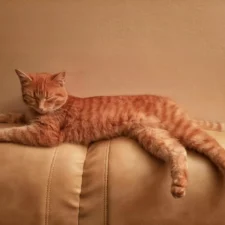


Living with a cat can be lots of fun. Fluffy has a way of filling our lives with both joy and cat hair. However, leaving us scratched couches and shredded chairs are not her cutest tricks. At Aspen Commons Animal Hospital, our Aurora, CO veterinary clinic, we understand why cats scratch furniture and how to redirect this natural behavior.
Scratching is not simply bad behavior. Your feline friend scratches to sharpen her claws, stretch her muscles, and mark her territory. Learning to manage scratching is an important part of cat care, and a skilled veterinarian can help. With time, patience, and the proper tools, you can redirect this instinct toward acceptable outlets like scratching posts and climbing trees.
Why Cats Scratch Furniture
To truly solve scratching, it’s important to understand why it happens. Cats scratch to:
- Maintain claw health by shedding old nail sheaths
- Stretch their backs, shoulders, and toes
- Leave both visual and scent markers for other animals
If your kitty is scratching your favorite sofa, it may be out of habit, boredom, or stress. A veterinary clinic in Aurora, CO can help identify whether your feline companion is scratching for physical, emotional, or environmental reasons. Chewy did an article on why cats scratch, which you can read here.
Redirection Strategies from Veterinarians
Redirecting your feline pal requires patience and the right tools. At Aspen Commons Animal Hospital, our vets recommend:
- Providing multiple scratching posts around the home
- Offering posts made of different materials like sisal, cardboard, or carpet. Consumer Reports has an article about cat towers, which you can read here.
- Placing posts near couches or windows where cats already scratch
- Sprinkling catnip or attaching toys to encourage exploration
Rewarding Fluffy with treats or praise when they use acceptable scratching spots helps reinforce good habits. Your vet clinic team can suggest tailored strategies to keep both your cat and your furniture safe.
How Veterinary Clinics Support Cat Behavior
When scratching becomes excessive, it may indicate stress or an underlying health issue, particularly when it happens in combination with other signs such as overgrooming or changes in appetite. By working with your vet, you can rule out medical causes and focus on behavioral solutions.
Tips for Training Your Cat at Home
Training your kitty to use posts takes consistency:
- Place scratching posts in high-traffic areas
- Keep nails trimmed with help from your vet
- Rotate posts occasionally to maintain interest
- Sweeten the deal by offering catnip, treats, and praise when your pet scratches properly.
Avoid punishment, as it increases anxiety and may worsen behavior. Instead, encourage your feline companion with positive reinforcement.
FAQs About Cat Scratching
Is scratching normal for cats?
Yes. Scratching is a natural and healthy behavior for all cats.
How many scratching posts should I provide?
At least one per kitty, ideally in multiple areas of the home.
Can scratching damage my cat’s health?
Scratching itself is healthy, but declawing causes long-term harm. Always choose humane alternatives.
Visit Our Aurora, CO Veterinary Clinic
If Fluffy is scratching furniture, don’t get discouraged. At Aspen Commons Animal Hospital, our Aurora, CO veterinarians are here to help you understand your feline friend and find solutions that work. Stop searching for a “vet near me” — schedule an appointment today with our compassionate veterinary clinic and keep your kitty happy and your home intact.
Click here to visit our Service page, and learn more about our animal hospital and the pets we treat.
Want to learn more about your pet? Are you looking for tips on how to keep your cat purring or keep your dog’s cute tail going? Browse our cat care and dog care articles. We also offer care for exotic pets, as well as boarding. Feel free to call us with any questions or concerns.
This blog is intended as general information. For medical concerns, always follow the advice of your veterinarian.