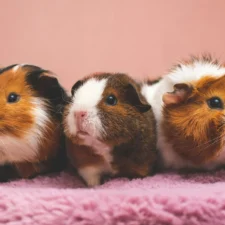


Guinea pigs, also called cavies, may be small in size, but they are bursting with personality. These gentle, vocal companions make wonderful family pets, especially for households willing to learn about their unique needs. At Aspen Commons Animal Hospital, our veterinary clinic in Southeast Denver, CO help families understand Guinea pig behavior and care, ensuring that every furry pal receives the best possible support.
Unlike cats or dogs, Guinea pigs require specialized housing, diet, and social interaction. By working closely with a trusted vet clinic, you’ll not only meet their physical needs but also enjoy the delightful behaviors that make cavies such endearing pets.
Why Guinea Pig Behavior Matters
Understanding Guinea pig behavior is essential because it often reflects health and emotional well-being. As prey animals, Guinea pigs are instinctively cautious and may hide illness or stress. Observing their sounds, movements, and routines gives valuable clues about how they’re feeling.
At our Southeast Denver, CO animal hospital, we teach families to recognize both normal and concerning behaviors. With consistent veterinary support, you can distinguish between quirky Guinea pig habits and signals that something may be wrong.
Common Guinea Pig Behaviors
Vets at Aspen Commons Animal Hospital often highlight the following behaviors:
- Popcorning: Joyful leaps and hops, especially common in young cavies.
- Purring: A soft, low rumble that usually indicates contentment.
- Wheeking: A loud squeal, often heard when anticipating food or attention.
- Teeth chattering: A warning sound that signals agitation or dominance.
- Chutting and cooing: Gentle, happy noises exchanged between companions.
Learning to interpret these sounds and actions helps owners connect with their Guinea pigs on a deeper level. If your furry pal suddenly becomes quiet or withdrawn, a visit to a vet clinic in Southeast Denver, CO may be necessary to rule out illness.
Cavy lovers’ site Guinea Piggles has a good article on Guinea Pig behavior, which you can find here. The Royal Society For The Prevention Of Cruelty to Animals has an article on cavies, which is here.
Housing and Environmental Needs
Guinea pigs need more than a simple cage. Our veterinary clinic emphasizes:
- Spacious housing: At least 7.5 square feet for one Guinea pig, more for pairs.
- Safe bedding: Paper-based or aspen shavings; avoid cedar and pine.
- Hideouts: Tunnels and shelters provide security.
- Temperature control: Guinea pigs are sensitive to heat and cold; indoor housing is best.
By providing the right environment, you’ll support your Guinea pig’s physical and emotional well-being.
Dietary Essentials
Diet is one of the most important aspects of Guinea pig health. Unlike other pets, Guinea pigs cannot produce vitamin C on their own. Without it, they can develop scurvy, a painful condition that weakens joints and immunity.
Our Southeast Denver, CO veterinarians recommend:
- Unlimited timothy or orchard grass hay for digestive and dental health
- Daily fresh vegetables such as bell peppers, leafy greens, and carrots in moderation
- Vitamin C-rich foods or vet-approved supplements
- Limited pellets, avoiding those with added seeds or colorful bits
Sudden changes in diet can upset the digestive system. Consult your animal hospital before introducing new foods.
Social and Emotional Needs
Guinea pigs are highly social animals. In the wild, they live in groups, and they thrive on companionship. Our veterinarians encourage adopting Guinea pigs in pairs or groups rather than keeping them alone. Lonely cavies may become depressed or anxious.
Interaction with humans is also important. Gentle handling, daily playtime, and positive experiences build trust. Over time, many Guinea pigs learn to recognize their owners’ voices and eagerly greet them with cheerful wheeks.
Common Health Concerns
Guinea pigs are prone to several health issues:
- Dental disease: Like rabbits, their teeth grow continuously and need wear.
- Respiratory infections: Often caused by poor ventilation or dirty bedding.
- Vitamin C deficiency: Leads to scurvy, weakness, and swollen joints.
- Obesity: Caused by lack of exercise and excessive treats.
At Aspen Commons Animal Hospital, our Southeast Denver, CO veterinary clinic provides annual checkups to detect these conditions early. Because cavies mask illness, preventive care is essential.
Tips for Enrichment and Exercise
Boredom can affect Guinea pigs just as much as health problems. Our vets recommend:
- Providing daily out-of-cage floor time in a safe, supervised area
- Adding tunnels, ramps, and chew toys for mental stimulation
- Rotating cage accessories to keep the environment fresh
- Interacting through gentle petting or teaching them to take treats from your hand
Enrichment builds confidence and reduces stress, helping your furry pal live a happier life.
Fun Facts About Guinea Pigs
- Guinea pigs have been domesticated for over 3,000 years.
- They communicate with more than 10 distinct sounds.
- A group of Guinea pigs is called a “herd.”
- Some breeds, like Abyssinians, have unique whorls of fur called rosettes.
FAQs About Guinea Pig Care
Do Guinea pigs need companions?
Yes. They are happiest when kept with at least one other Guinea pig.
How often should I clean the cage?
Spot clean daily and do a full clean with fresh bedding weekly.
Do Guinea pigs need veterinary visits?
Absolutely. Annual exams are essential, and more frequent visits may be required for older cavies.
How can I tell if my Guinea pig is sick?
Loss of appetite, weight loss, lethargy, or changes in behavior are warning signs that warrant a veterinary exam.
Can Guinea pigs live outdoors?
It’s not recommended. They are sensitive to temperature changes and predators. Indoor housing is safest.
Visit Our Southeast Denver, CO Veterinary Clinic
At Aspen Commons Animal Hospital in Southeast Denver, CO, our caring veterinarians are here to support every aspect of your Guinea pig’s health and happiness. From routine checkups to behavior advice, our vet clinic provides the expertise you need to keep your furry pal thriving. Don’t waste time searching for a “vet near me” — schedule an appointment today and let our animal hospital help your Guinea pig live their best life.
Click here to visit our Service page, and learn more about our animal hospital and the pets we treat.
Want to learn more about your pet? Are you looking for tips on how to keep your cat purring or keep your dog’s cute tail going? Browse our cat care and dog care articles. We also offer care for exotic pets, as well as boarding. Feel free to call us with any questions or concerns.
This blog is intended for educational purposes only. Always consult your veterinarian for medical advice and treatment tailored to your pet.