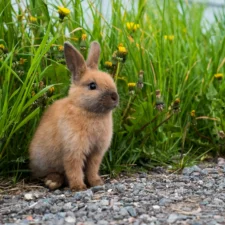


Rabbits, Guinea pigs, and other small pets may be tiny, but their health needs are anything but small. Proper diet and hydration are the cornerstones of keeping these furry pals thriving. At Aspen Commons Animal Hospital, our experienced veterinarians in Southeast Denver, CO help families understand the specific needs of small pets and provide expert guidance for long, healthy lives. By visiting a trusted vet clinic, you can be confident that your rabbit, Guinea pig, or other small companion is receiving the best possible care.
Unlike cats and dogs, small pets have delicate digestive systems and unique nutritional requirements. Even minor changes in their diet or hydration can have major health effects. That’s why our animal hospital emphasizes prevention, careful observation, and regular veterinary exams.
Why Hydration and Nutrition Matter
Small pets metabolize food differently than larger animals. Rabbits and Guinea pigs, for example, are hindgut fermenters, meaning they rely on a constant flow of fiber to keep their digestive systems moving. Without it, dangerous conditions such as gastrointestinal stasis can develop. Hydration is equally critical: dehydration can cause organ failure in as little as 24 hours.
Veterinarians in Southeast Denver, CO stress that these animals cannot simply be fed like miniature versions of cats or dogs. Instead, owners must follow species-specific diets and hydration guidelines to protect their health.
Nutrition Basics for Rabbits
Rabbits require diets high in fiber and low in sugars or fats. We recommend:
- Unlimited hay: Timothy or orchard grass hay is the foundation of every rabbit’s diet.
- Fresh greens: Leafy vegetables such as romaine, cilantro, and parsley.
- Pellets: Limited amounts of plain, high-fiber pellets. Avoid mixes with seeds or colorful pieces.
- Treats: Fruit in small amounts only, as sugar can upset digestion.
Hay not only supports digestion but also keeps teeth filed down, preventing painful dental overgrowth.
Nutrition Basics for Guinea Pigs
Guinea pigs share many dietary similarities with rabbits, but have one crucial difference: they cannot produce their own vitamin C. Without supplementation, Guinea pigs are at risk of developing scurvy, which causes weakness, joint pain, and poor healing.
Your tiny pal will need:
- Unlimited hay for digestion and dental health.
- Daily vegetables such as bell peppers, kale, or broccoli for vitamin C.
- Vitamin C supplements when diet alone isn’t enough.
- Plain pellets fortified with vitamin C.
Fresh foods should be introduced gradually to avoid digestive upset. Ask your vet for safe and unsafe foods.
Hydration Tips for Small Pets
Hydration is just as important as food. Rabbits and Guinea pigs should always have access to fresh, clean water. Owners can provide water in bowls or sipper bottles, though bowls may encourage more natural drinking.
Signs of dehydration include:
- Dry or tacky gums
- Reduced appetite
- Lethargy
- Sunken eyes
If you suspect dehydration, immediate care at our pet hospital in Southeast Denver, CO is necessary.
Enrichment Through Diet
Feeding isn’t just about nutrition; it’s also a chance to enrich your furry pal’s life. Make dinnertime fun!
- Hide hay in paper bags for foraging.
- Offer safe chew toys to prevent boredom.
- Scatter fresh greens in different areas of the enclosure.
These small changes stimulate natural behaviors while keeping pets active and engaged.
Common Nutritional Mistakes
It’s not uncommon for Guinea pigs to develop issues caused by well-meaning owners who:
- Feed too many pellets, leading to obesity.
- Offer iceberg lettuce, which has little nutritional value.
- Provide sugary treats that disrupt digestion.
- Rely on water bottles alone, which can clog and prevent access.
Avoiding these pitfalls keeps your small pet healthier and reduces emergency visits.
PetMD has a series of care sheets for pocket pets, which you can find here. You can also find that the PetMD site is a great resource for rabbit care. Read that article here.
Fun Facts About Small Pet Nutrition
- Rabbits chew 120 times per minute when eating hay.
- Guinea pigs “wheek” loudly when they hear the sound of a refrigerator opening, anticipating fresh veggies.
- A rabbit’s diet should consist of about 80% hay.
FAQs About Small Pet Hydration and Nutrition
How often should I change my rabbit’s water?
Daily. Fresh, clean water should always be available.
Can Guinea pigs eat fruit?
Yes, but only in moderation. Fruits are high in sugar and should be occasional treats.
What happens if my rabbit stops eating?
It may indicate gastrointestinal stasis, which is a life-threatening emergency requiring immediate veterinary care.
Do small pets need vitamins?
Guinea pigs require vitamin C supplements; rabbits usually do not if their diet is balanced. Ask your vet for more information.
How often should small pets visit the vet?
At least once a year, though seniors or pets with health issues may need checkups every 6 months.
Visit Our Southeast Denver, CO Veterinary Clinic
At Aspen Commons Animal Hospital, our Southeast Denver, CO veterinary clinic, we understand the unique needs of rabbits, Guinea pigs, and other small pets. From nutrition counseling to wellness exams, we’re here to ensure your furry pal thrives. Instead of searching for a “vet near me,” call us today to schedule an appointment. Together, we’ll give your small companion the healthy, happy life they deserve.
Click here to visit our Service page, and learn more about our animal hospital and the pets we treat.
Want to learn more about your pet? Are you looking for tips on how to keep your cat purring or keep your dog’s cute tail going? Browse our cat care and dog care articles. We also offer care for exotic pets, as well as boarding. Feel free to call us with any questions or concerns.
This blog is intended for educational purposes only. Always consult your veterinarian for specific medical advice and treatment recommendations.